Westfield Shepherds Bush Garden Maintenance Guide for Homeowners
If you live near Westfield Shepherds Bush, keeping a garden in good shape can feel like a moving target. One week it looks tidy and calm, the next it has fast-growing grass, scruffy edges, tired planting, and a hedge that seems to have doubled overnight. This Westfield Shepherds Bush garden maintenance guide for homeowners is here to make that easier. It gives you a practical, realistic way to stay on top of routine garden care, avoid common mistakes, and decide when a simple DIY job is enough versus when a professional service makes more sense.
Shepherd's Bush gardens often face the same mix of challenges: compact spaces, shade from neighbouring buildings, heavy foot traffic, patchy lawns, and the usual London weather doing its own thing. Truth be told, a garden does not need to be enormous to need proper maintenance. In a small courtyard, neglect shows quickly. In a larger family garden, the workload just builds in layers. Either way, consistency is the difference between a space you enjoy and a space you keep meaning to sort out.
This guide walks through what garden maintenance actually involves, how it works, and how to keep your outdoor space healthy, neat, and usable all year round. It also points you to useful services such as garden maintenance support, lawn mowing, hedge trimming, and garden clearance when a bigger reset is needed.
Practical summary: regular maintenance protects plant health, keeps paths and borders tidy, reduces safety risks, and prevents a garden from becoming a weekend-eating project. Small, frequent jobs usually beat big, occasional rescue missions. That is just how it goes.
Table of Contents
- Why Westfield Shepherds Bush garden maintenance guide for homeowners Matters
- How Westfield Shepherds Bush garden maintenance guide for homeowners Works
- Key Benefits and Practical Advantages
- Who This Is For and When It Makes Sense
- Step-by-Step Guidance
- Expert Tips for Better Results
- Common Mistakes to Avoid
- Tools, Resources and Recommendations
- Law, Compliance, Standards, or Best Practice
- Options, Methods, or Comparison Table
- Case Study or Real-World Example
- Practical Checklist
- Conclusion
- Frequently Asked Questions
Why Westfield Shepherds Bush garden maintenance guide for homeowners Matters
Garden maintenance matters because gardens are living spaces, not static ones. Left alone, even a neat garden starts to drift. Grass gets long, weeds move in, moss spreads across paving, and shrubs lose their shape. In a busy part of London like Shepherd's Bush, where many homeowners have limited time and limited outdoor space, that drift can happen faster than people expect.
There is also the practical side. A well-kept garden is easier to use, easier to clean, and easier to enjoy. If you have children, pets, or guests coming and going, the value of a tidy, safe, functional outdoor area is obvious. A slipped step, an overgrown path, or a hidden trip hazard under leaf litter can turn a pleasant space into a nuisance. Nobody wants that.
Another reason this matters is plant health. A lot of people think maintenance is only about appearance. It is not. Regular pruning, feeding, mowing, watering, and debris removal all support stronger growth. A lawn that is cut correctly, for example, tends to look better and cope better with dry spells than one that is cut too short once in a blue moon.
For homeowners in Westfield Shepherds Bush, maintenance also helps preserve property appeal. Even if you are not planning to sell, a clean, cared-for exterior makes a house feel more settled and comfortable. Little details count: edging along a path, a hedge that is actually in shape, pots that are not overflowing with dead stems. Those tiny things change how the whole place feels.
If your garden has become more work than you can realistically manage, a professional garden maintenance visit can bring things back under control without the stress of doing it all in one go.
How Westfield Shepherds Bush garden maintenance guide for homeowners Works
At its simplest, garden maintenance is a routine of small jobs that keep the garden healthy, tidy, and functional. The exact mix depends on the season, the size of the space, and how the garden is used. A small patio garden near the station will need a different rhythm from a family garden with borders, lawn, shrubs, and perhaps a decked seating area.
Most maintenance plans include some combination of lawn care, hedge trimming, pruning, weeding, leaf clearance, planting care, edging, sweeping, and light waste removal. For some homes, that is enough. For others, maintenance ties into broader outdoor improvements such as landscaping or landscape gardening if the garden layout itself needs work.
Here is the useful part: maintenance usually works best as a recurring process, not a one-off event. A monthly visit might suit some gardens. Others need fortnightly attention during the growing season and lighter winter upkeep. To be fair, there is no magic formula. The right schedule depends on how quickly your garden grows, how much shade it gets, and how much time you can personally spare.
Professional maintenance is often planned around three things:
- Routine care: mowing, edging, weeding, deadheading, and tidying.
- Condition checks: spotting pests, disease, drainage issues, or damage.
- Seasonal work: heavier pruning, leaf clearance, and prep for new growth or colder weather.
In homes with mature trees or awkward boundary growth, the job can also involve tree management. If a branch is causing shading, rubbing against structures, or dropping debris, a specialist service such as tree lopping and removal may be relevant. Not every tree issue needs drastic action, but a good eye helps.
Key Benefits and Practical Advantages
Good garden maintenance is one of those things that quietly improves everyday life. You may not notice it in a dramatic way, but you feel the difference every time you step outside. A tidy border, a fresh cut lawn, a swept patio, a hedge that does not scrape the path-those are the things that make a garden usable.
Here are the main benefits homeowners usually notice first:
- Less overwhelm: regular care stops jobs snowballing into a large, messy reset.
- Better appearance: your home looks cared for from the outside, even in winter.
- Healthier plants: pruning, feeding, and weeding help growth stay balanced.
- Improved safety: fewer slippery leaves, hidden edges, or obstructed routes.
- More usable space: gardens become places to sit, play, and relax instead of places to avoid.
There is also a cost-control angle. A garden that is maintained regularly often costs less to put right than one left for months. That is especially true with overgrown hedges, compacted lawns, clogged borders, or stubborn garden waste. A little attention now can save a lot of intervention later. Not always, but often enough that it matters.
Another advantage is flexibility. Once a garden is already in decent shape, you can choose where to focus effort. Maybe this month it is lawn care and hedge trimming. Next month it is border clean-up and seasonal planting. You stay in control instead of reacting to a long list of problems all at once.
Who This Is For and When It Makes Sense
This guide is for homeowners who want a realistic approach to garden upkeep. You do not need to be a keen gardener, and you do not need a perfect lawn. You just need a workable system and a sense of what matters most in your space.
It makes particular sense if you:
- have a busy household and limited time for garden care
- own a small urban garden that shows neglect quickly
- have hedges, shrubs, or trees that need regular shaping
- want your outdoor space to look presentable for guests or tenants
- have let maintenance slip and now need a practical reset
- are deciding whether to handle the work yourself or use a service
It also makes sense when the garden starts affecting daily routine. If you avoid the back door because the path is messy, or you put off opening the patio because everything needs sweeping first, the garden is no longer serving you. That is usually the moment people realise maintenance is not a luxury. It is basic care.
Professional help is worth considering if the jobs are physically awkward, time-consuming, or require specialist equipment. For example, a hedge that needs shaping from height, or a large clear-up after a long period of neglect, often needs more than a quick weekend effort. Services like hedge trimming and garden clearance can save a lot of strain and uncertainty.
Step-by-Step Guidance
If you want to keep a Westfield Shepherds Bush garden in good order, it helps to work in a clear sequence. Otherwise you end up doing the same thing twice, or missing the job that mattered most. Here is a sensible approach.
1. Start with a full visual check
Walk the garden slowly. Look down, look up, and then look at the edges. Check the lawn, borders, fence lines, patio, shed area, and any hidden corners where debris tends to collect. In the morning light, small issues often show up better than they do later in the day.
2. Remove obvious waste first
Pick up broken branches, fallen leaves, empty pots, dead annuals, and general clutter. This gives you a cleaner working surface and makes the rest of the job easier. If there is a large amount of material, it may be faster to arrange clearance before you begin detailed care.
3. Tackle the lawn
Mow only if the grass is dry enough and not too long for a single cut. Cutting too much off at once can stress the lawn. Trim edges along paths and borders to create a sharper finish. If the grass looks thin, patchy, or mossy, it may need a longer-term recovery plan rather than just another mow.
4. Shape hedges and shrubs
Trim lightly and evenly. The aim is usually to keep growth controlled, healthy, and away from paths, windows, or neighbouring boundaries. Try not to strip back too much in one go, especially if a plant has not been maintained for a while. That is how people accidentally make a hedge look shocked for half a season.
5. Weed borders and paving joints
Weeds are easiest to deal with when they are still small. Remove them by the roots where possible, then refresh the area with mulch or a tidy finish. For paving or paths, regular sweeping helps prevent seedlings, moss, and damp build-up from taking hold.
6. Prune with purpose
Remove dead, damaged, or crossing branches first. Then shape for balance and airflow. Good pruning improves appearance, but it also helps the plant breathe and reduces congestion. If you are unsure, a lighter cut is usually safer than a heavy one.
7. Refresh planting areas
Replace tired plants, top up soil where needed, and water any new additions properly. A small amount of planting refresh can make a whole garden feel cared for. It does not have to be dramatic.
8. Finish with cleaning and waste removal
Sweep hard surfaces, clean up loose debris, and make sure green waste is collected responsibly. A finished garden should look finished. Otherwise it is just a series of jobs pretending to be done.
Expert Tips for Better Results
A few habits make a big difference over time. These are simple, but they work.
- Maintain little and often. Twenty minutes of regular care is usually more effective than a huge monthly panic.
- Cut hedges and shrubs at the right time. Avoid aggressive pruning when a plant is actively stressed or in poor condition.
- Do not scalp the lawn. Keeping a slightly higher cut helps the grass stay greener and stronger.
- Use mulch thoughtfully. It helps lock in moisture and suppress weeds, especially in borders.
- Watch drainage after heavy rain. If water pools in the same spot each time, there may be a bigger issue than simple tidying.
- Keep one eye on shade. London gardens often sit in partial shade, so choose maintenance routines that match the light level rather than fighting it.
One practical trick: keep a small note on your phone with the garden's "next jobs". It sounds dull, but it stops you forgetting the one thing you noticed last week and then forgot by Tuesday. Happens to everyone.
And if the garden has structural features like decking, fences, or steps, inspect those while you are working. A solid maintenance routine is not just about plants. It is about the whole outdoor space. For hard landscaping features, decking services may be useful if surfaces need repair, cleaning, or improvement.
Common Mistakes to Avoid
Most garden problems are not caused by one dramatic error. They come from small oversights that repeat. The good news is that these are easy enough to avoid once you know what to look for.
- Letting growth get too far ahead. Overgrown hedges and beds take much longer to sort out than regular maintenance.
- Cutting too much at once. This can damage lawns and shock shrubs.
- Ignoring weed roots. Surface pulling feels satisfying, but many weeds just come back.
- Leaving wet debris on paths. It can become slippery, especially in shaded areas.
- Mixing maintenance with major redesign. Tidy-up work and landscape changes are different jobs. Keep them separate unless you have a clear plan.
- Forgetting the waste. The pile of clippings at the end is still part of the job, unfortunately.
Another common mistake is assuming every garden can be maintained with the same routine all year. It cannot. Spring growth, summer dry spells, autumn leaf fall, and winter dormancy all ask for different priorities. That seasonal shift matters more than people think.
If the garden has simply got out of hand, do not try to fix everything in one heroic session. Start with the highest-impact areas and get it back to manageable shape. A controlled reset is usually better than an exhausting half-finished clear-out.
Tools, Resources and Recommendations
You do not need a shed full of specialist kit to keep a garden in decent shape. A sensible set of tools, maintained well, is better than a pile of neglected gadgets that never seem to be charged. A bit harsh perhaps, but true.
Useful homeowner tools usually include:
- a decent mower for the lawn size you actually have
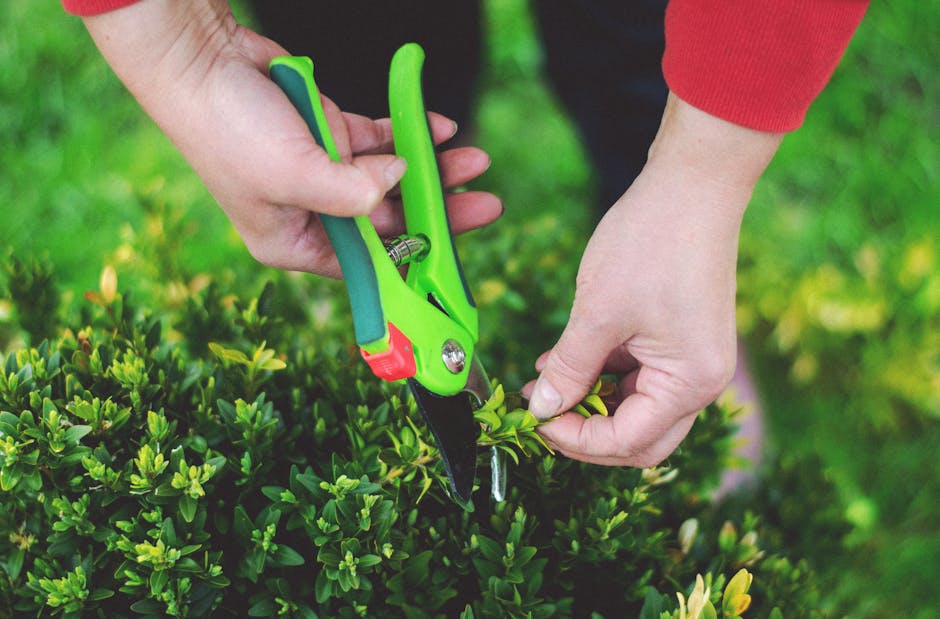
- hand shears or secateurs for light pruning
- a rake for leaves and debris
- a stiff broom for patios and paths
- gloves that fit properly, not the floppy ones that make everything harder
- a watering can or hose suited to your planting scheme
- bags or bins for green waste separation
For larger or more demanding tasks, professional support can be more efficient. If the garden needs a fuller reset, service pages such as services overview and pricing and quotes can help you understand what is available before you commit.
If you want to understand the company behind the work, the about us page is a sensible place to start. And if you are comparing options, the cleanest next step is usually to ask for a clear scope of work, not just a vague promise that someone will "sort the garden out". Specifics matter. A lot.
For homeowners interested in environmentally sensible upkeep, it can also help to look at recycling and sustainability. Responsible green waste handling and careful material use are both part of modern garden care, especially in urban settings where waste volume can build up quickly.
Law, Compliance, Standards, or Best Practice
Garden maintenance is usually straightforward, but there are still sensible standards to follow. If you are hiring someone to work on your property, you want clear communication, safe working practices, and a professional approach to waste, tools, and access. That is standard expectation rather than something fancy.
Homeowners should also think about boundaries, neighbour relations, and general safety. For example, if hedge growth crosses into shared access or a neighbouring side return, it is better to handle it carefully and politely. London gardens often sit very close together, so a rushed cut can become a neighbour issue in no time.
From a safety point of view, tools should be used appropriately, surfaces should be left secure, and any access routes should remain clear. Wet paving, hidden steps, and uneven ground are all small risks that become more relevant when work is underway. A sensible contractor should take this seriously. You should too.
It is also worth checking how waste is managed. Green waste, soil, branches, and mixed material should be handled in a responsible way. If you are using a service provider, you may want to read their health and safety policy and insurance and safety information, because that gives you a clearer sense of how they approach the job.
For broader trust and process transparency, pages like payment and security, terms and conditions, and complaints procedure are useful signs that a business expects to work professionally. Not glamorous reading, admittedly, but very useful.
Options, Methods, or Comparison Table
Homeowners usually choose one of three approaches: do everything themselves, handle light upkeep and outsource the awkward parts, or book recurring professional maintenance. The right choice depends on time, confidence, and the size and condition of the garden.
| Approach | Best for | Pros | Watch-outs |
|---|---|---|---|
| DIY maintenance | Small gardens, confident homeowners, low complexity | Low direct cost, full control, flexible timing | Time-consuming, easy to miss seasonal work, can become irregular |
| Hybrid approach | Busy homeowners who can handle light tasks | Balanced cost, keeps key jobs covered, less physical strain | Requires a clear routine, easy to delay the hard jobs |
| Professional recurring maintenance | Gardens needing regular care or fast turnaround | Consistent results, less stress, stronger seasonal upkeep | Ongoing cost, needs a good brief and clear expectations |
In practice, many homeowners start with DIY, then switch to a hybrid model once they realise the hedge has its own opinion about growth. That is normal. There is no badge for doing everything the hard way.
If the issue is less routine upkeep and more one-time recovery, a professional clear-out may be the better option before maintenance begins. A tidy base makes every future visit easier.
Case Study or Real-World Example
Imagine a typical Shepherd's Bush terrace home with a narrow rear garden. The lawn has become patchy, the border weeds have taken hold, and the hedge near the back wall is leaning out over the path. Nothing is catastrophic, but the garden feels neglected. The homeowner keeps saying they will deal with it "next weekend", which, as ever, keeps moving.
The first visit focuses on a reset: waste removal, hedge shaping, mowing, border weeding, and a sweep of the patio. The second visit happens a few weeks later and is lighter: edging, a tidy prune, and follow-up checks on new growth. By then, the garden is already easier to manage. Not perfect, not magazine-ready, just genuinely usable again. That is usually the real win.
What made the biggest difference? Not some fancy treatment. It was consistency. Once the garden had a proper baseline, maintenance became quicker and less stressful. The homeowner could actually enjoy it in the late afternoon, tea in hand, rather than staring at it from indoors and feeling vaguely guilty. A very British kind of relief, really.
Practical Checklist
Use this checklist to keep your garden on track through the year:
- Walk the garden once a week and note obvious changes
- Mow the lawn when growth requires it, not on a fixed habit alone
- Trim hedges and shrubs before they block paths or windows
- Remove weeds while they are still small
- Clear leaves, twigs, and dead plant material regularly
- Check paths, steps, and decked areas for slippery build-up
- Inspect borders for tired plants, bare patches, or drainage issues
- Water newly planted or stressed plants properly
- Separate green waste from general rubbish where possible
- Book a bigger tidy-up before the garden gets beyond easy control
If you keep even half of that going, the garden will usually stay in decent shape. And if you fall behind for a while, do not panic. Gardens are forgiving when you start again.
Get a free quote today and see how much you can save.
Conclusion
A good garden maintenance routine does not need to be complicated. It needs to be steady, realistic, and matched to the way your garden actually grows. For homeowners in Westfield Shepherds Bush, that means understanding the pace of urban garden care, staying ahead of basic jobs, and getting help when a task turns from manageable into messy.
If you want your outdoor space to feel calm rather than chaotic, focus on the simple things that build up over time: mowing, trimming, clearing, pruning, and seasonal tidy-ups. Add professional support where it saves time or reduces risk, and do not wait until the garden becomes a full-scale weekend project. A little care goes a long way, honestly.
And once it is back under control, you will notice the difference every time you step outside.
Frequently Asked Questions
How often should I maintain a garden in Westfield Shepherds Bush?
It depends on the size of the garden, the amount of shade, and how fast your plants grow, but most homeowners benefit from weekly light checks and regular seasonal work. Small gardens can still need frequent attention because they show mess quickly.
What is included in basic garden maintenance?
Basic maintenance usually covers mowing, edging, weeding, hedge trimming, pruning, sweeping, leaf clearance, and general tidying. Some gardens also need light planting care or waste removal.
Is garden maintenance different from landscaping?
Yes. Garden maintenance keeps an existing garden healthy and tidy, while landscaping changes the structure, layout, or hard features of the space. If you want to reshape the garden, landscaping is the bigger job.
Can I manage garden maintenance myself?
Yes, if the space is small and the work is straightforward. Many homeowners handle mowing and light tidying themselves, then bring in help for larger tasks like hedge trimming or a major clear-up.
When should I book professional help instead of doing it myself?
Professional help makes sense when the garden is overgrown, the job is physically awkward, or you do not have time to keep up with the routine. It can also be the safer choice for larger hedges, stubborn waste, or heavy seasonal clearance.
What time of year is best for hedge trimming?
That depends on the hedge type and its condition. A light trim at the right time of year is usually better than one heavy cut. If you are unsure, a professional assessment is often the safest route.
How do I keep a lawn healthy in a small city garden?
Do not cut it too short, keep up with watering when needed, remove moss and debris, and avoid letting the grass become too long between cuts. Even a small lawn responds well to steady care.
What should I do with garden waste?
Green waste should be collected and handled responsibly. If you are doing the work yourself, separate it where possible. If you use a service, ask how they manage waste as part of the job.
Do I need to worry about safety during garden work?
Yes, especially with wet paths, uneven ground, ladders, sharp tools, and heavy cuttings. A safe working method matters, even for ordinary jobs. It is one of those things people forget until something slips.
How do I know if my garden needs a clearance rather than routine maintenance?
If the garden has become difficult to walk through, if waste is built up, or if growth has overtaken borders and paths, a clearance may be the better first step. Once the space is reset, regular maintenance becomes much easier.
What should I ask before hiring a garden maintenance service?
Ask what is included, how often the work should happen, how waste is handled, whether the team is insured, and how payment works. Clear answers at the start usually mean fewer surprises later.
Can regular maintenance improve property appeal?
Yes. A tidy garden makes a home feel more cared for and more inviting. You do not need perfection. You just need a space that looks looked after, and that makes a real difference.